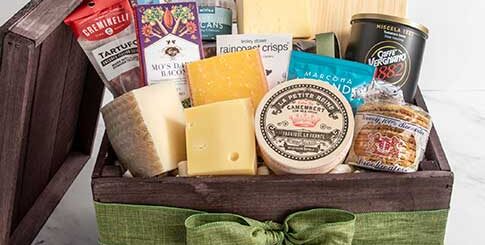
The Ultimate Guide to Sustainable & Plastic-Free Gift Hampers
In an era where environmental consciousness is no longer a niche preference but a global necessity, the way we give gifts is undergoing a radical transformation. Australians are increasingly looking for ways to celebrate milestones without leaving a trail of non-biodegradable waste behind.
The Ultimate Guide to Sustainable & Plastic-Free Gift Hampers is designed to help you navigate the growing market of eco-friendly gifting. Whether you are a corporate professional looking for ethical client gifts or a thoughtful friend seeking a birthday surprise, understanding the nuances of plastic-free packaging and sustainable sourcing is key to making an impact that lasts—without the environmental footprint.
See more: What Should You Include in a Premium Easter Hamper?
What Defines a Truly Sustainable & Plastic-Free Gift Hamper?
A sustainable gift hamper is more than just a collection of “green” products. It is a holistic approach to gifting that considers the entire lifecycle of every component, from the raw materials used in production to the end-of-life disposal of the packaging.
Core Elements of Eco-Friendly Gifting
- Plastic-Free Packaging: Replacing bubble wrap and plastic tape with honeycomb paper, hemp twine, and biodegradable wood wool.
- Ethical Sourcing: Prioritizing products made by B-Corp certified brands or local Australian artisans who pay fair wages.
- Zero-Waste Philosophy: Selecting items that are either consumable (like organic food) or durable (like stainless steel straws) to ensure nothing ends up in a landfill.
- Carbon-Neutral Delivery: Using couriers that offset their emissions or utilize electric vehicle fleets.
Why the Shift to Plastic-Free Gifting Matters in Australia
Australia faces unique environmental challenges, from protecting the Great Barrier Reef to managing landfill capacity in growing urban hubs. Traditional gift hampers are often “waste magnets,” filled with single-use plastics, excessive cellophane, and glitter—none of which are recyclable.
The Environmental Impact of Traditional Hampers
Traditional hampers often rely on Expanded Polystyrene (EPS) and Polyvinyl Chloride (PVC) for protection and aesthetics. These materials take hundreds of years to break down and often fragment into microplastics that enter the Australian waterways.
Benefits of Choosing Sustainable Alternatives
- Brand Alignment: For businesses, eco-friendly hampers signal a commitment to Corporate Social Responsibility (CSR).
- Healthier Products: Sustainable hampers usually feature organic, toxin-free, and natural ingredients.
- Support for Local Economy: Many sustainable brands are small, Australian-owned businesses that prioritize quality over mass production.
Key Categories for Sustainable Gift Hampers
To build a high-quality hamper, you need to categorize items based on their utility and sustainability credentials. Use the following table as a quick reference for better gift selection:
| Category | Sustainable Options | What to Avoid |
| Gourmet Food | Organic chocolate, native botanicals, fair-trade coffee | Plastic-wrapped lollies, palm oil products |
| Self-Care | Solid shampoo bars, bamboo toothbrushes, clay masks | Microbead scrubs, plastic bottled lotions |
| Home & Lifestyle | Beeswax wraps, linen tea towels, soy wax candles | Paraffin candles, synthetic sponges |
| Beverages | Local organic wines, loose-leaf tea, glass-bottled spirits | Plastic-capped mixers, non-recyclable pods |
How to Curate the Perfect Plastic-Free Gift Hamper: A Step-by-Step Framework
Creating a premium, sustainable hamper requires a structured approach to ensure the final product looks professional while remaining strictly eco-friendly.
Step 1: Select a Reusable Base
The “basket” shouldn’t be waste. Choose a seagrass basket, a wooden crate made from FSC-certified timber, or a high-quality organic cotton tote bag.
Step 2: Source Locally Produced Goods
Look for the “Australian Made” logo. Reducing “gift miles” lowers the carbon footprint of your hamper and ensures the items haven’t been sitting in shipping containers for months.
Step 3: Verify the “Plastic-Free” Claim
Check the fine print. Sometimes products claim to be eco-friendly but come in a plastic “inner liner.” Opt for glass jars, aluminum tins, or compostable cardboard.
Step 4: Use Sustainable Void Fill
Avoid plastic peanuts. Instead, use:
- Wood Wool: Shredded timber that is compostable.
- Dried Florals: Provides a luxury aesthetic and can be kept by the recipient.
- Upcycled Paper: Clean, shredded kraft paper for a rustic look.
Real-World Examples of Sustainable Gift Ideas
- The “Zero-Waste Kitchen” Hamper: Includes silicone food covers, a compost bin, organic cotton produce bags, and a bottle of plant-based dish soap.
- The “Australian Botanical” Hamper: Features lemon myrtle tea, macadamia oil, eucalyptus candles, and a jar of raw Tasmanian leatherwood honey.
- The “Eco-Office” Hamper: A cork-bound notebook, a bamboo desk organizer, a glass reusable coffee cup, and seed-embedded pencils.
Advanced Tips for Ethical Gifting
Focus on Transparency and Certifications
When browsing for pre-made hampers, look for specific certifications. These provide third-party validation that the products meet high ethical standards:
- B-Corp: Businesses that balance purpose and profit.
- Fair Trade: Ensures producers in developing countries get a fair deal.
- PETA-Approved Vegan: No animal testing or animal-derived ingredients.
Avoid “Greenwashing”
Greenwashing occurs when a company spends more time marketing itself as environmentally friendly than actually minimizing its environmental impact. If a hamper is wrapped in a massive amount of “clear film” that doesn’t state it is compostable cellulose, it’s likely plastic.
Common Mistakes When Buying Sustainable Hampers
- Over-Packaging: Even if the materials are sustainable, using too much of them is wasteful. Minimalism is a core tenet of sustainability.
- Ignoring the “Final Mile”: Buying a sustainable hamper but shipping it with an express courier that doesn’t offer carbon-neutral options.
- Cheap Fillers: Adding low-quality items just to make the hamper look “full.” It is better to have three high-quality, useful items than ten pieces of “eco-clutter.”
Internal & External Resource Suggestions
Internal Linking Opportunities
- Anchor Text: Best eco-friendly corporate gifts Australia
- Anchor Text: Benefits of organic skincare in gift boxes
- Anchor Text: How to reduce household plastic waste
Authoritative External References
- Planet Ark: For information on recycling and circular economy principles in Australia.
- Australian Packaging Covenant Organisation (APCO): For guidelines on sustainable packaging standards.
Frequently Asked Questions (FAQ)
What is the most eco-friendly way to wrap a gift hamper?
The most eco-friendly way is to use a reusable container like a wooden crate or a fabric wrap (Furoshiki style). If you must use a box, ensure it is unbleached cardboard and secured with paper-based tape.
Are “compostable” plastics okay for hampers?
Only if they are “home compostable.” Some bioplastics require industrial composting facilities to break down, which many Australian households do not have access to.
How do I know if a brand is truly plastic-free?
Look for brands that disclose their entire supply chain and packaging materials. Certification from organizations like Plastic Free July or specific “Plastic Free” labels on packaging are good indicators.
Can sustainable hampers be high-end and luxurious?
Absolutely. Sustainability and luxury are increasingly linked. High-end eco-hampers focus on artisan craftsmanship, rare natural ingredients, and sophisticated, minimalist design.
Why are sustainable gift hampers more expensive?
They often cost more because they prioritize fair wages, high-quality organic ingredients, and durable materials over mass-produced, synthetic alternatives.
Conclusion: Making the Conscious Choice
Choosing The Ultimate Guide to Sustainable & Plastic-Free Gift Hampers as your blueprint for gifting ensures that your generosity doesn’t come at the cost of the planet. By focusing on local Australian makers, plastic-free packaging, and high-utility items, you create a gifting experience that is both meaningful and responsible.