
What Should You Include in a Premium Easter Hamper?
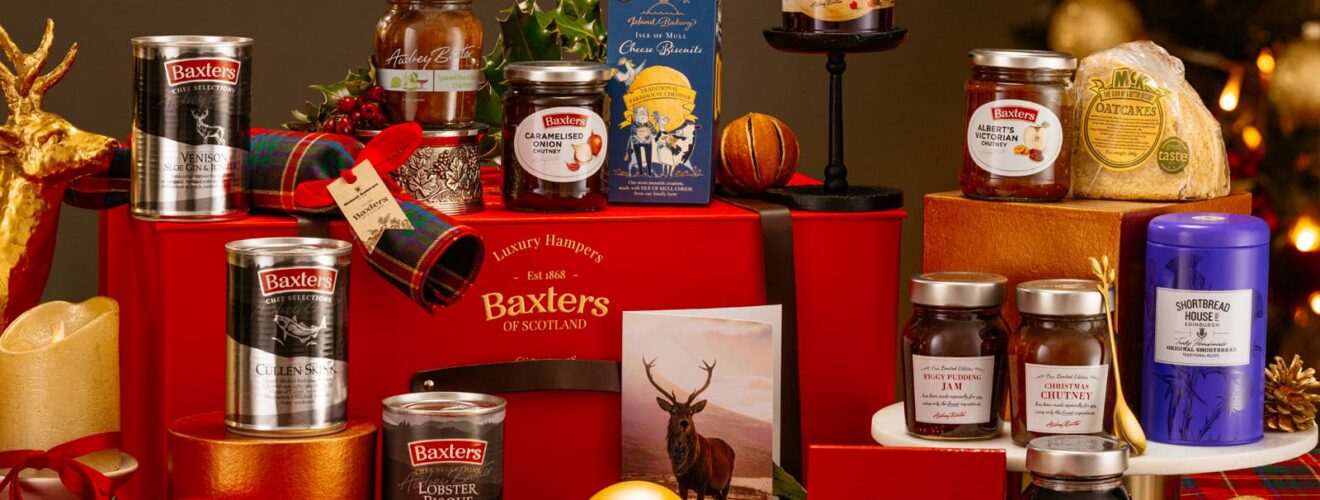
They do not need to cram everything in. They just need every item to earn its place.
What makes an Easter hamper feel genuinely premium?
A hamper feels premium when it has clear intent, recognisable quality, and a mix of textures and flavours. They should choose fewer items, but better ones, and avoid filler.
It also helps when the hamper tells a story. Think British artisan producers, a springtime theme, or a pairing-led selection that looks curated rather than random.
Which hero chocolate items should they include?
They should start with one “centre-piece” chocolate that looks impressive on first glance. A hand-finished Easter egg, a single-origin egg, or a filled chocolate egg works well.
Then they can add two to four supporting pieces. Examples include truffles, a bar selection, chocolate-coated nuts, or a small box of pralines. The goal is variety without repeating the same flavour in different formats.
What seasonal sweet treats elevate the hamper beyond chocolate?
A premium hamper should include at least one non-chocolate Easter sweet. It breaks up richness and makes the selection feel more considered.
Good options for an easter hamper include hot cross buns (or a bake-at-home version), a simnel cake mini, shortbread, lemon biscuits, or a jar of curd. If they want something playful, they can add gourmet marshmallows or fruit jellies in spring flavours.
What savoury items stop it feeling too sugary?
They should include two to five savoury pieces so the hamper feels balanced and “adult” without losing Easter charm. Savoury items also make the hamper useful across the whole weekend.
Strong choices are small-batch crackers, a quality chutney, olives, cheese biscuits, spiced nuts, or a premium pâté. If they include cheese, it should be shelf-stable or clearly labelled with storage guidance.
Which drinks pair best with a premium Easter hamper?
They should pick drinks that match the hamper’s tone and the recipient’s habits. A single bottle that pairs with the food often feels more premium than multiple basic cans.
For alcohol, they can choose English sparkling wine, Champagne, a dessert wine, or a creamy liqueur. For non-alcoholic options, they can include craft lemonade, kombucha, single-estate tea, or speciality coffee. A hot chocolate sachet set also fits Easter well.
How can they cater for different diets without making it feel “free-from”?
They should avoid making “free-from” the theme. Instead, they can build the hamper around naturally suitable premium items.
For vegan recipients, dark chocolate, fruit pastes, artisan crisps, nuts, and oat biscuits work well. For gluten-free options, they can include GF biscuits, chocolate, olives, chutneys, and crackers made for pairing. The key is to choose products that are premium first and dietary second.
What personal touches make the gift feel bespoke?
They should include one or two items that clearly feel chosen for that person. It could be a personalised message, a small jar with a name label, or a flavour that matches their preferences.
They can also add a simple “hamper card” that explains what each item is and how to enjoy it. That small detail often makes the selection feel curated, like a tasting box rather than a collection of groceries.
What “extra” non-food items are worth adding?
They should add non-food items only if they are useful, high-quality, and on-theme. Otherwise, they risk looking like filler.
The best extras are small and tactile: a beeswax candle, spring tea towel, mini bouquet of dried flowers, or a set of napkins. For families, a small Easter activity, such as a craft kit, can work, as long as it matches the premium tone.
How should they package a premium Easter hamper?
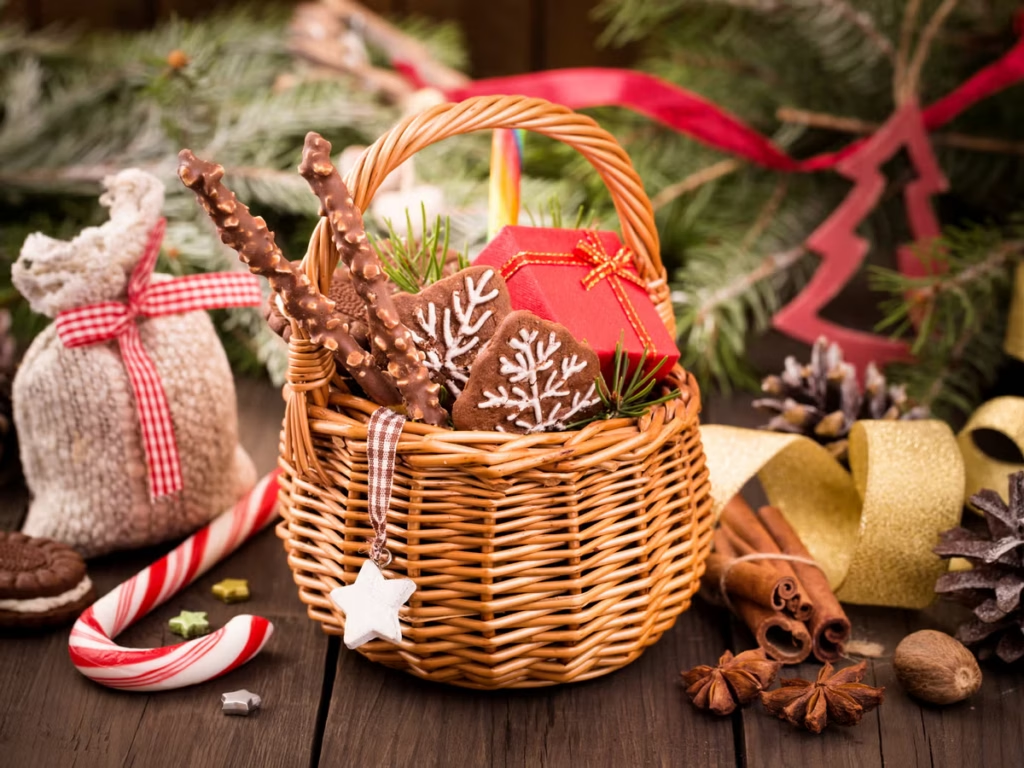
They should prioritise presentation and protection. A sturdy wicker basket, rigid gift box, or lidded tray looks premium and keeps items safe.
They can use shredded kraft paper, tissue, and a ribbon in spring colours, but they should not overdo it. A clean layout, visible hero items, and a neat label or tag often looks more expensive than lots of decorative clutter.
How can they build a premium hamper that still feels balanced?
They should aim for a simple structure: one hero item, a few supporting sweets, a savoury set, and one drink. Then they can add one personal touch and one extra, if it fits.
A practical guide is to include 9 to 14 items total, depending on size. If the hamper starts to feel crowded, they should remove the weakest item rather than squeeze it in. Premium is as much about restraint as it is about cost.
FAQs (Frequently Asked Questions)
What defines a premium Easter hamper?
A premium Easter hamper feels generous, cohesive, and genuinely special to open. It balances standout chocolate, seasonal treats, smart savouries, and a few keepsakes, all finished with gift-ready packaging. Each item earns its place without cramming everything in.
How do I choose the best chocolates for a premium Easter hamper?
Start with one impressive ‘centre-piece’ chocolate like a hand-finished Easter egg or single-origin filled egg. Add two to four supporting pieces such as truffles, bar selections, chocolate-coated nuts, or pralines. Aim for variety without repeating the same flavour in different formats.
Which seasonal sweet treats complement chocolate in an Easter hamper?
Include at least one non-chocolate Easter sweet to break up richness and add consideration. Options include hot cross buns or bake-at-home versions, simnel cake minis, shortbread, lemon biscuits, or a jar of curd. Playful additions like gourmet marshmallows or fruit jellies in spring flavours also work well.
What savoury items should I add to balance sweetness in the hamper?
Add two to five savoury pieces to keep the hamper balanced and adult without losing Easter charm. Good choices are small-batch crackers, quality chutney, olives, cheese biscuits, spiced nuts, or premium pâté. If including cheese, opt for shelf-stable varieties or provide clear storage guidance.
Which drinks pair best with a premium Easter hamper?
Choose drinks that match the hamper’s tone and recipient’s habits. A single bottle pairing often feels more premium than multiple basic cans. Alcohol options include English sparkling wine, Champagne, dessert wine, or creamy liqueurs. Non-alcoholic choices like craft lemonade, kombucha, single-estate tea, speciality coffee or hot chocolate sachet sets also fit well.
How can I cater to different dietary needs without making the hamper feel ‘free-from’?
Avoid making “free-from” the central positioning by prioritising inherently compatible premium assortments. For vegan recipients, lean into dark chocolate, fruit pastes, artisan crisps, nuts, and oat biscuits. For gluten-free selections, integrate GF biscuits, chocolates, olives, chutneys, and pairing-optimised crackers. The overarching objective is to anchor value in elevated product quality rather than framing it purely through dietary constraints. More on premium Mother’s Day gift hamper ideas and luxury curation.


